01. Past
Completing my Bachelor’s in Industrial Design provided a solid foundation in aspects such as physical manufacturing techniques, prototyping and iteration, user interface (UI) and user experience (UX) basics, design research, and standard user evaluation methods. However, I felt that I had only scratched the surface of what design could signify in broader societal, academic, and ethical contexts. I wasn’t ready to enter the professional world just yet. I sensed that a deeper layer of reflective practice, critical engagement, and responsibility could be attained through continuing a Master’s.
Within my endeavor of completing this trajectory, I set the personal goals of exploring the deeper layers of my design philosophy, in which the core TU/e master course Constructive Design Research and User experience theory & practice provided essential foundations. By delving in the evolution of the term ‘user experience’ over time, tracing its historical trajectory, future development, and understanding the key elements a prospective designer should consider, the foundation of my vision could be established with more rigor and intentionality, reinforcing the importance of responsibility in design by integrating the subconscious mind as a fundamental design dimension. Additionally, Constructive Design Research introduced me to a novel academic design inquiry context, in which I gained the initial opportunity to write a research paper that introduced me to the deployment and evaluation of design research probes, specifically intended for an external client: The Bike Kitchen, located at the UvA in Amsterdam.
Moreover, during my Master’s, I had set the goal to dive deeper into the intersection between health and design, exploring what it currently entails, what this intersection has to offer, and whether it could become a meaningful direction for my future professional practice. Given my interest in expanding knowledge within the expertise areas ‘User & Society’ and ‘Technology & Realization’, I deliberately chose to follow the Research, Design & Development track, as it offered potential for integrating critical inquiry with hands-on exploration, while being a natural fit to my Professional Identity as well. Although both expertise areas had already received emphasis during my Bachelor’s, where I distinctly chose tasks that required technically realizing concepts, my intention during the Master’s was to move beyond physical realization alone and explore how interconnected systems, digital platforms, and emerging technologies could be meaningfully designed and implemented in human-centered contexts.
While the first year Master’s projects ‘Tobbe‘ and ‘Minimed’ leaned more evidently towards U&S, the chosen course A Designerly Perspective on IoT allowed me to dive deeper into T&R, specifying how rich and embodied interaction in IoT systems can be leveraged, and how connections between centralized and distributed technical networks and user experiences can support more natural and intuitive human interactions in the IoT context. Building on this foundation, the second year of my Master’s allowed me to further integrate and emphasize both expertise areas, culminating in the M2.1 project at the company smartQare in Eindhoven, where a clear highlight in all aspects of my learning, interests, and ambitions through actively applying my vision meaningfully converged.
The project at smartQare provided me the opportunity to redesign a desktop interface for their patient-worn viQtor device, transforming continuous patient monitoring into an intuitive Natural User Interface tailored for nurses in the General Ward. Within the project, the principles of User-Centered Design stood central, incorporating contextual inquiry to deeply understand users’ needs, alongside iterative testing and preference assessments to guide the design process. Moreover, in order to meaningfully incorporate the subconscious mind in alignment with my vision, a specific emphasis was placed on uncovering the user’s mental model concerning the development of interface design. This involved gathering insights into subtle cognitive patterns such as commonly used verbal terminology, the current manner in which vital signs are interpreted, recognizable visual cues like elements of nurse attire, and established communication reference points. These insights were used to ensure that the UI aligned not only with the functional needs of nurses but also with their implicit knowledge, habitual perceptions, and context-specific interpretations, ultimately allowing for the creation of a more seamless and cognitively aligned user experience within their daily hospital environment.
However, upon reflection, it became evident that while the smartQare project was guided by the intentions of a User-Centered Design approach through the designer’s perspective, the final outcome was influenced by a technology-centered practicality, or rather a ‘technology-first’ approach. Existing technical devices, such as computers on wheels, monitors, and displays with their current capabilities, were imposed on the design solution, operating under the assumption that users should adapt to the systems rather than the other way around. In addition, this setup requires nurses to engage in focused interaction every time they interpret information from the system, without providing supporting context or cues between these isolated moments.
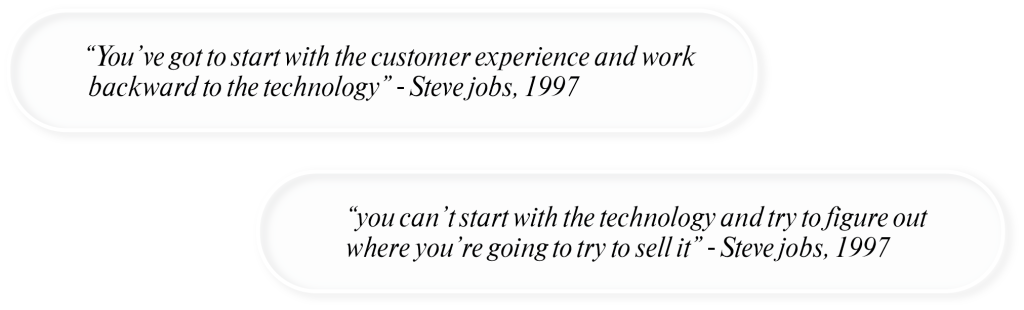
As a result, the opportunity arose for the Final Master Project to address the issue of alarm fatigue that has been persistent for decades in achieving effective situational awareness through a humane manner of interpretation that is grounded in human-centered design. At its core, the following inspirational insight from Steve Jobs served as a leading perspective, which I believe is explicitly relevant to the hospital alarm management context today [1]:
Disciplinary knowledge, skills, attitudes, theories, methods, techniques
Expertise area's
"The areas of expertise broadly concern the diverse academic domains that are directly linked to the discipline of industrial design"
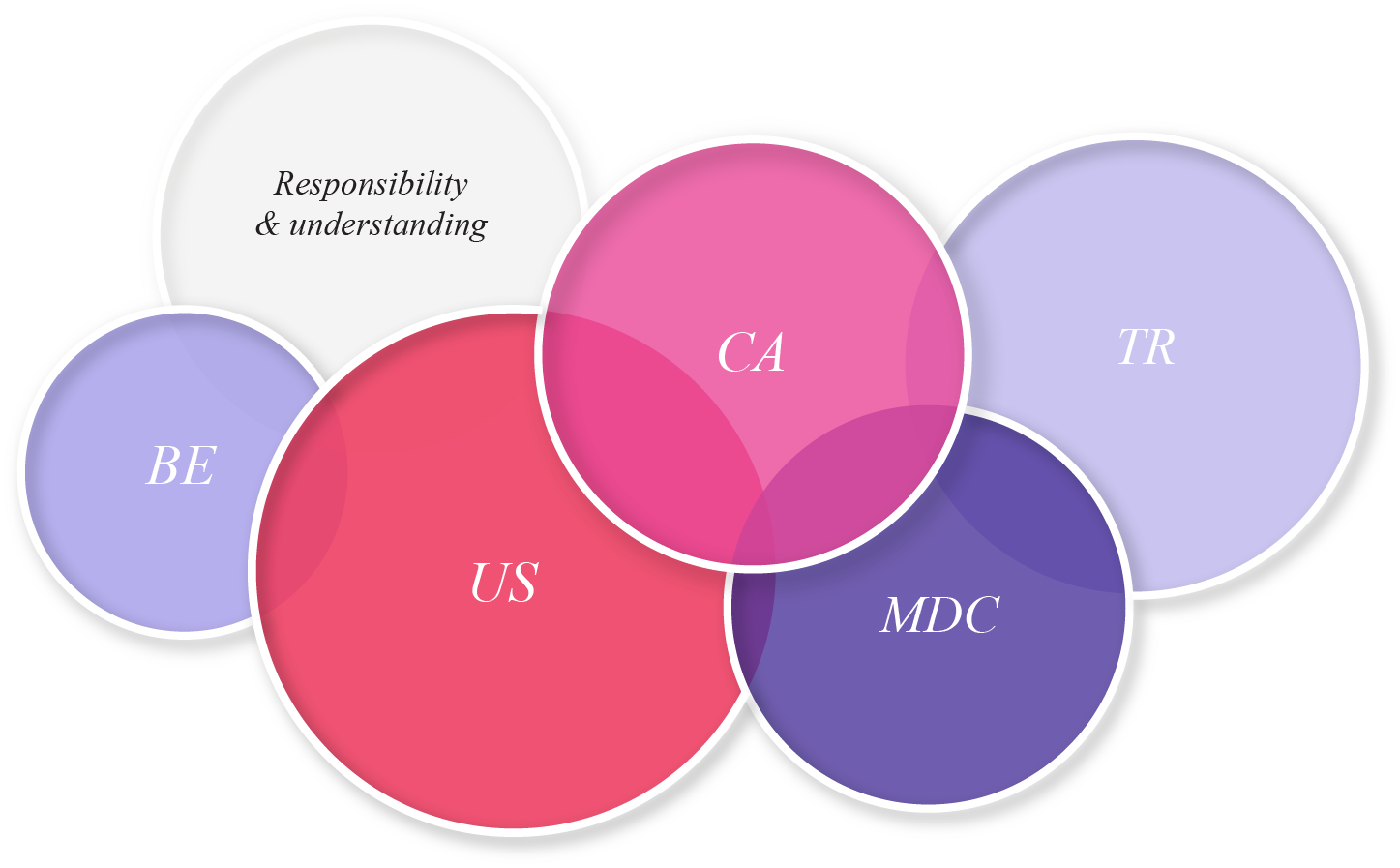
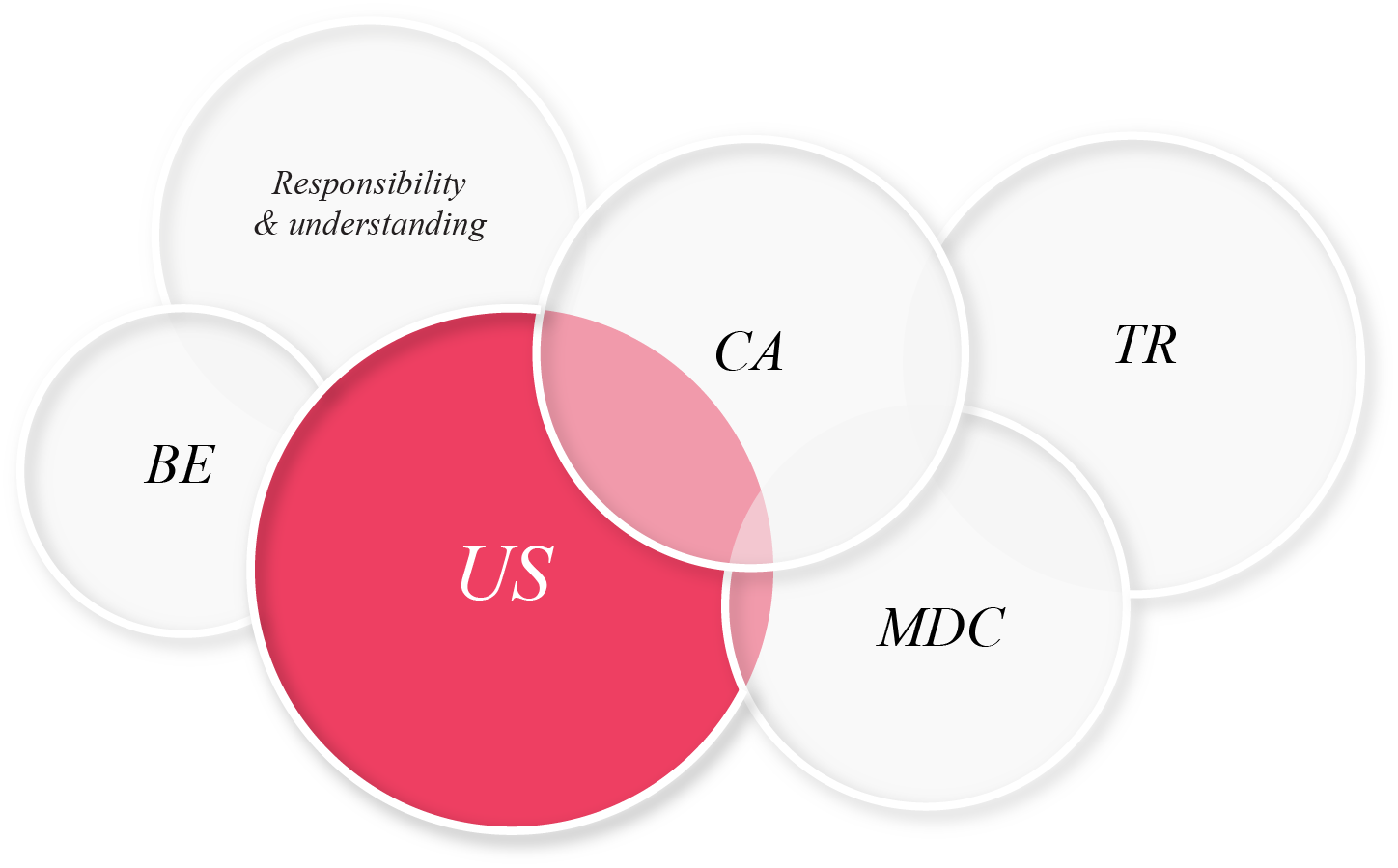
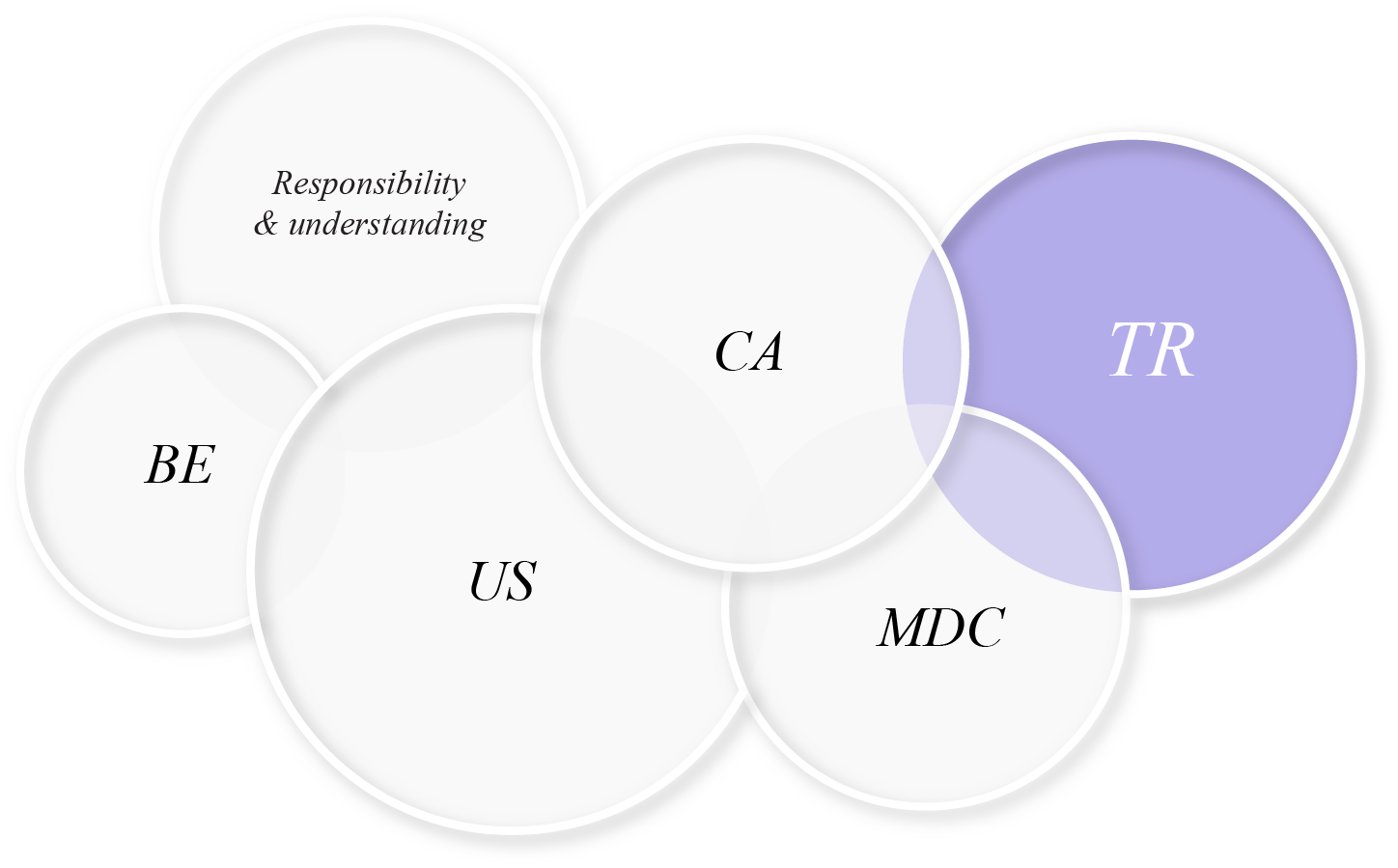
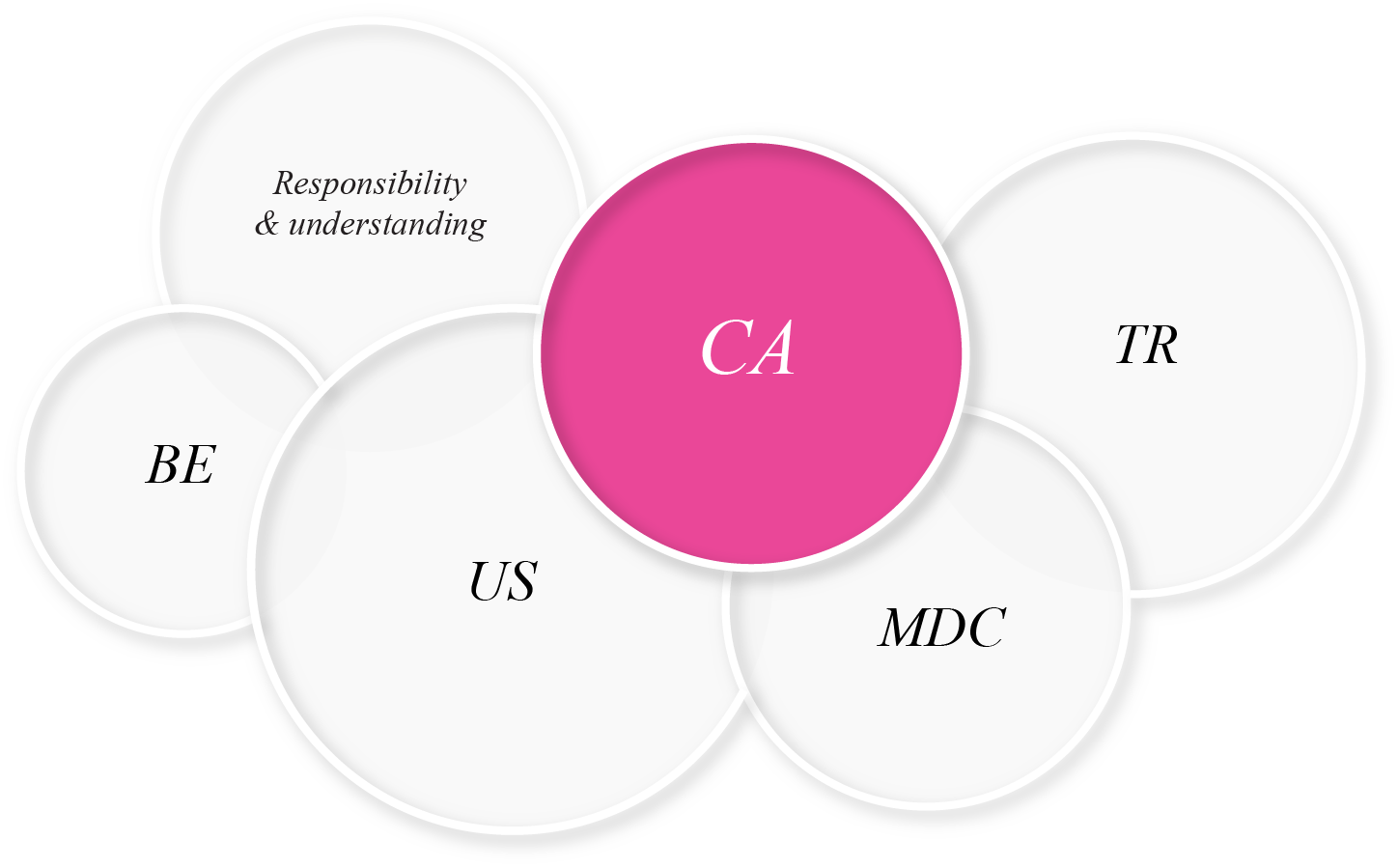
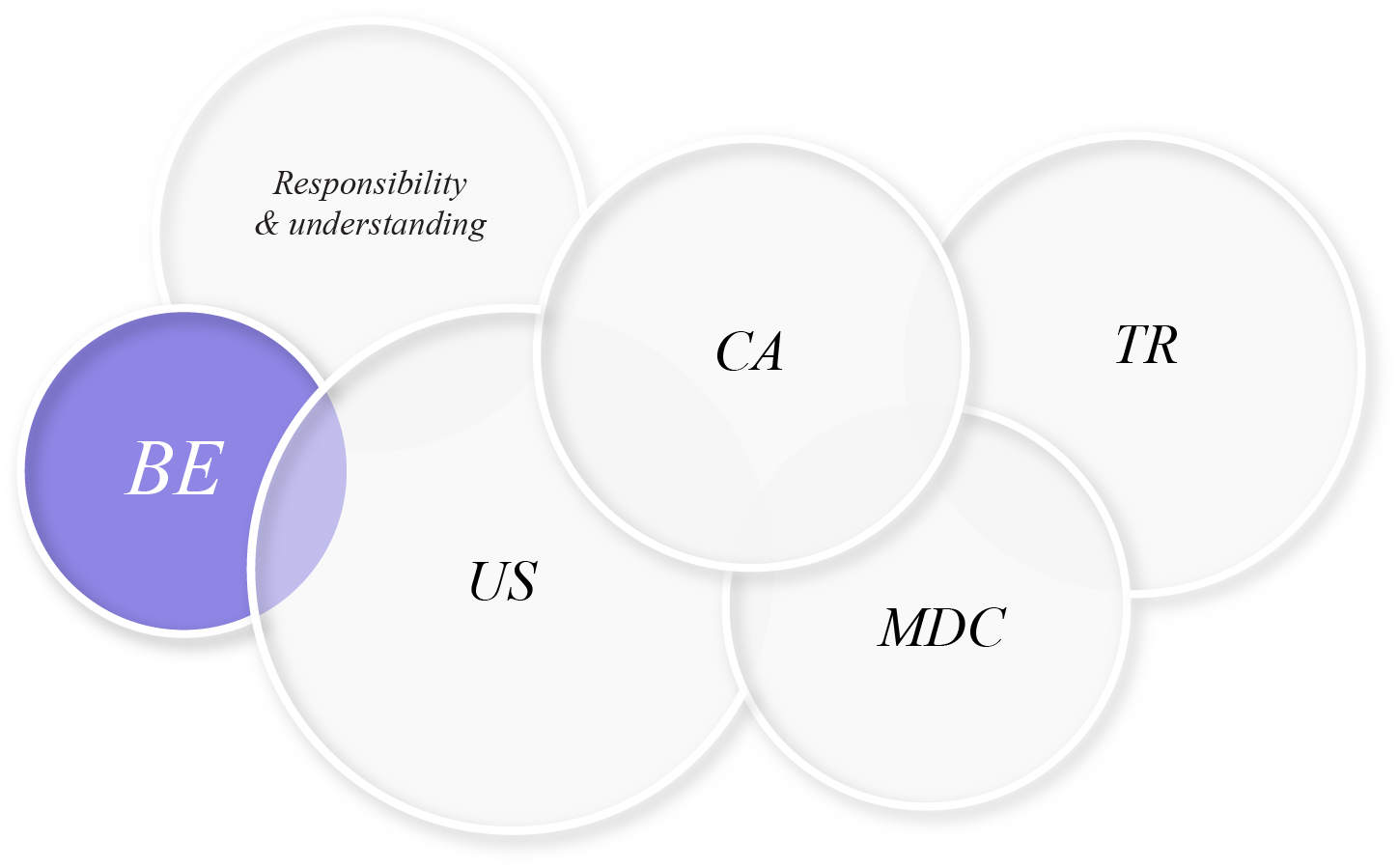
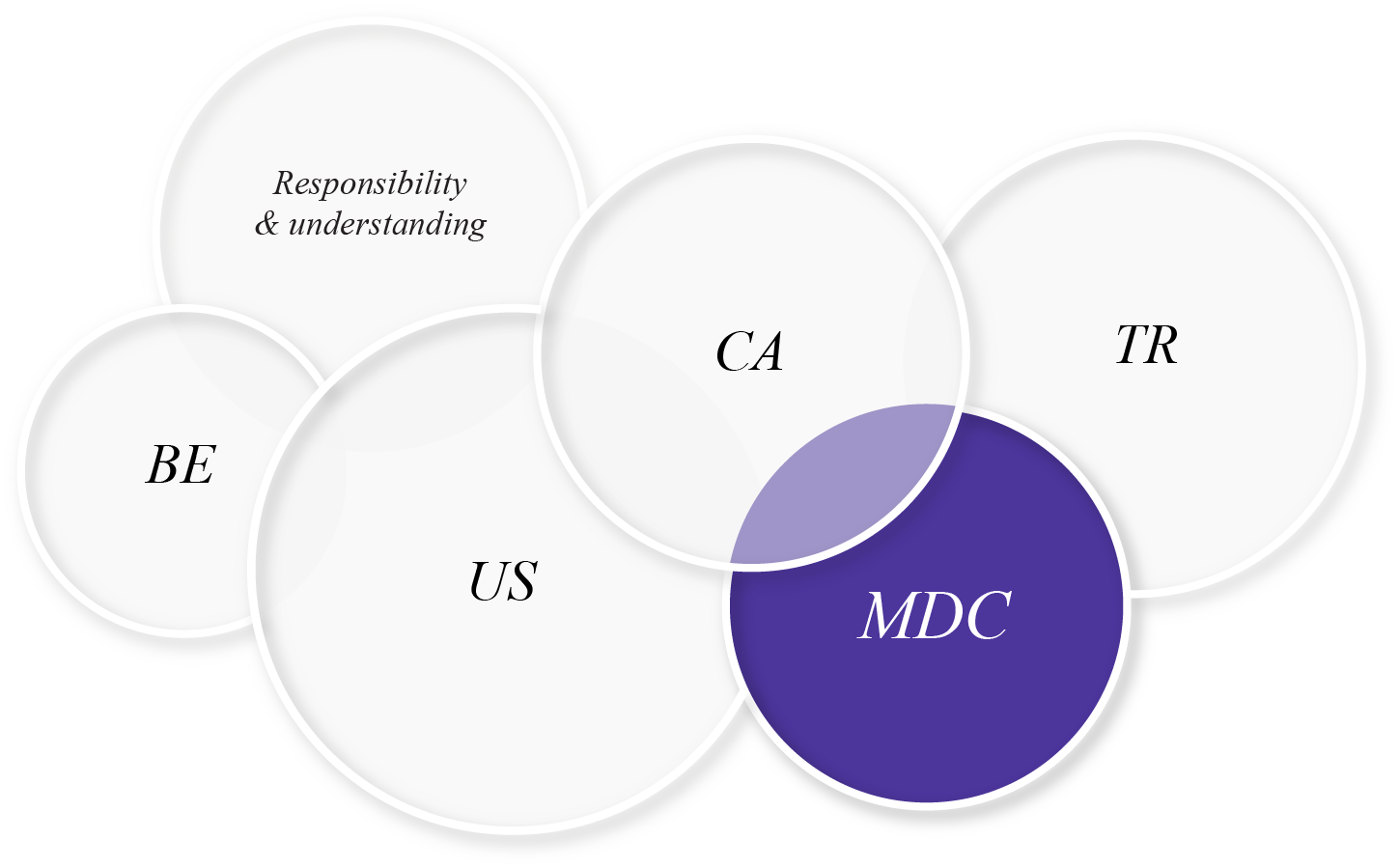
I consider responsibility and understanding to be the foundation upon which all expertise areas are built. These values resemble my professional identity as a designer who not only creates with intention but also critically reflects on impact, marking this as a foundational cornerstone of how I apply all the expertise areas in practice. Within this section, I will demonstrate how I have developed all the different areas throughout my Master’s and how they contributed to my design profile as it holds today. The illustration signifies that all areas are intertwined and inform each other within the design process, with different sizes representing my personal levels of expertise.
User & Society
In my design practice, I view users not as isolated individuals, but as human beings having acquired unique mental models situated within complex societal dynamics. Designing for sensitive environments like healthcare has deepened my awareness of how design impacts people emotionally, cognitively, and ethically. I actively engage with users through experience design techniques such as ethnographic field studies, empathy mapping, interviews, alongside collaborative approaches like participatory design in order to understand user's lived experiences and shape interventions that fit their experiential landscape. I believe that a deep sensitivity to the subconscious processes that shape human behavior is essential for anticipating how design interventions resonate beyond the surface, ensuring that our creations enter the world responsibly, with understood underlying intention and care. Courses such as User Experience Theory & Practice and Designing for Behavioral Change have sharpened my ability to merge psychological insight with practical application, question assumptions, and empathize deeply with users through the effective application of UX methods, making User & Society responsibly the most extensive part of my design expertise.
Technology & Realization
I consider Technology & Realization as essential for translating ideas into tangible, functional outcomes, which is why I have placed strong emphasis on developing this expertise area: empowering myself to technically and responsibly bring concepts to life without being limited by technical skills. Beyond the mere technical realization, my introduction to underlying Human-Technology Interaction design frameworks, such as calm technology, gave me a deeper emphasis on the how and why behind designing solutions that are closely attuned to the human context. For my Final Master Project, I adopted Calm technology as a central design lens and continue to advocate for its importance within the Human-Technology Interaction domain: one that balances technological capability with human experiences and attention, especially in a world of increasing ubiquitous computing. The course A Designerly Perspective on IoT further strengthened a solid understanding of interactive IoT system design, including the integration of rich, embodied interactions that enhance user engagement within everyday connected home environments.
Creativity & Aesthetics
Creativity & Aesthetics is where my design process feels most fluent and instinctive, and where, due to my visual and spatial thinking skills, I feel naturally at ease. I am particularly drawn to the aesthetic dimension of interaction, how the interplay of form, behavior, and materiality can subtly guide user experience and naturally align with the user’s mental model. This expertise allows me to craft designs that communicate on a subconscious level, leveraging cues such as affordances and subtle sensory signals to make interactions intuitive and engaging. Additionally, I draw inspiration from principles of visual hierarchy, color theory, and typography to create balanced and meaningful compositions. I believe it is essential for designers to communicate design steps clearly and with a high level of aesthetic quality, ensuring transparency and fostering effective collaboration throughout the creative process. Within the recent smartQare project, I had the opportunity to professionally apply these principles by designing a Natural UI for an external client, which I consider an invaluable experience that significantly enhanced my expertise in this area.
Business & Entrepeneurship
Business & Entrepreneurship is where design intersects with value creation on both human and economic levels, offering invaluable opportunities to bring micro design ideas into the macro world while also facing ethical challenges and limitations. Especially in the world of healthcare, I have observed how balancing innovation with responsibility is crucial, as design decisions can directly impact people’s well-being and can become a catalyst in adverse outcomes. I consider the business side of design as an opportunity to connect with and learn from diverse expert domains, enabling me to broaden my perspective and identify emerging technological demands. Furthermore, I view protecting intellectual property as a way to ensure responsible implementation. In combination with Creativity & Aesthetics, my focus within this expertise area during my Master's profoundly touched on marketing and value communication, exploring how designs communicate their value and intent through techniques such as mockups, speculative futures, and branding strategies that speak to users and stakeholders in a visually compelling and value-driven format.
Math, Data & Computing
In my design practice, Math, Data & Computing plays a dual role: as a tool for programmatic analysis and as a medium for prototyping physical systems. For data exploration and insight generation, I use Python to process, analyze, and visualize large datasets, turning abstract numbers into actionable insights that feed directly into design decisions. On the technical side, I use Arduino software to prototype interactive systems, bringing physical ideas to life and validating them through tangible interaction. In my work on the recent SmartQare project, I contributed to real-time data visualization by integrating modular .svg components designed in Figma with backend code running on a Raspberry Pi. This enabled the seamless display of live sensor data and strengthened my ability to connect data-driven design with practical technical implementation. Additionally, during my Final Master Project, I iteratively tested vibration motors, experimented with specific LED patterns, and created a wireless remote using the fast Espressif ESP-now protocol. These hands-on developments enhanced my skills in prototyping complex, responsive systems and deepened my understanding of embedded computing within User-Centered Design.
Present

Conducted in collaboration with Máxima MC & consultancy by Philips
Final Master Project
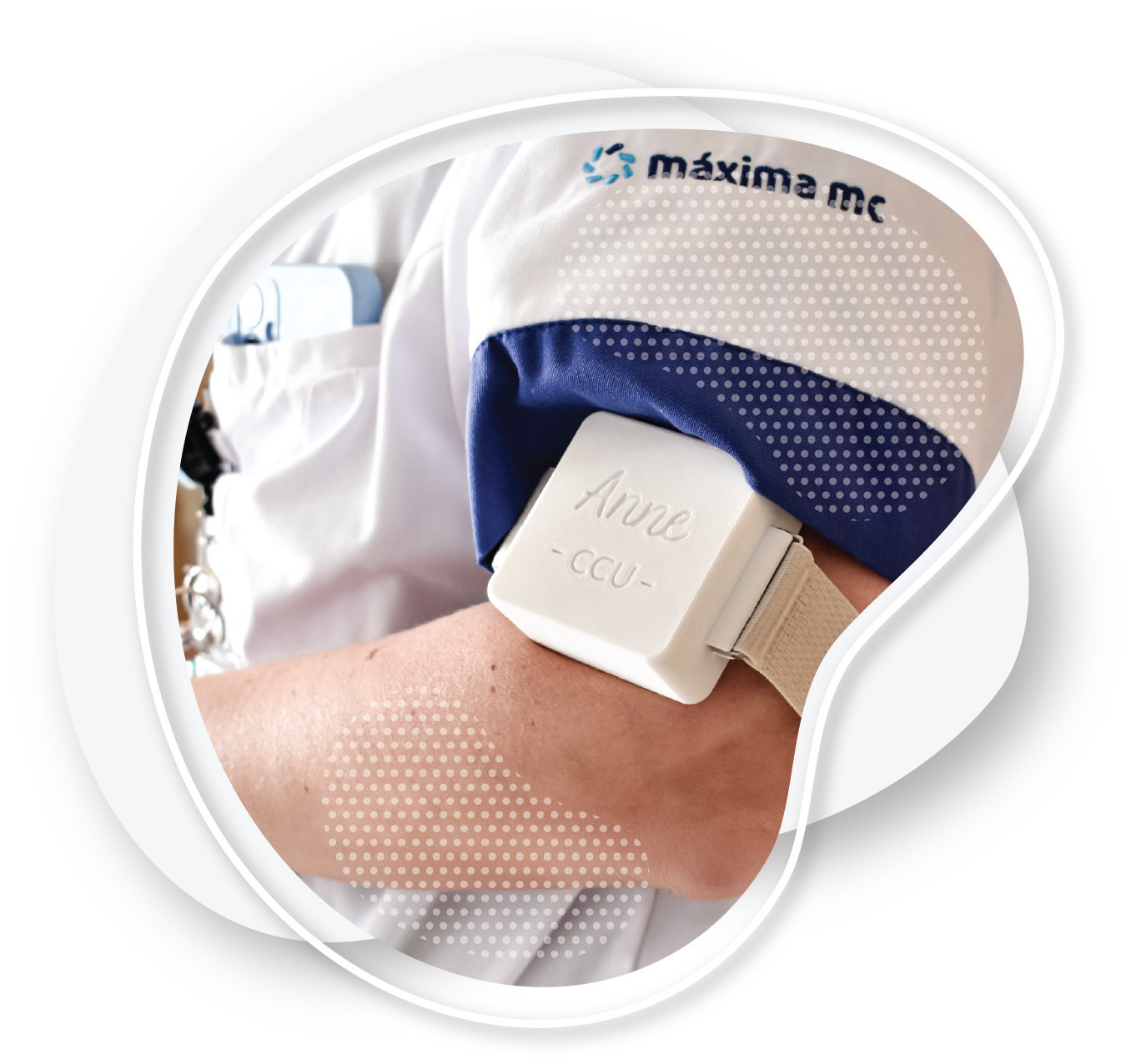
Exploring the future Alarm System-Nurse relationship through the lens of Calm Technology: A Research through Design Study in the Coronary Care Unit (CCU)
Through design fiction probes and scenario-based co-evaluations with CCU nurses, this project explored how alarm systems could shift from disruptive alerts to peripheral, intuitive communication. Grounded in six calm technology principles, the probes envisioned plausible near-future interactions that improve situational awareness while reducing cognitive strain. The insights inform future development of Human-Centered, context-aware alarm systems that support clinical workflows without contributing to alarm fatigue — The Máxima MC logo appears for illustrative purposed only
03. Future
As I transition from my Master’s into the next phase of my career, I am committed to shaping a professional path that allows me to deepen the integration of the subconscious mind within User-Centered design, particularly in healthcare and technology-rich environments. During my studies, I have deliberately built a strong network of connections with professionals, experts, and organizations, which I now aim to activate in pursuing professional commitment.
I recognize significant potential in the field of Human-Technology Interaction (HTI), where many existing systems still fail to harmonize with users’ attention, cognitive load, and natural behaviors. Addressing these gaps through design that respects both conscious and subconscious user needs will become increasingly vital, especially as emerging technologies like Artificial Intelligence will enable deeper, more seamless integration within healthcare environments. I aspire to begin my career in a position where the company’s values align with a strong commitment to the ethical responsibility and transformative potential of subconsciously aligned, context-aware design. In such an environment, I hope to contribute to the development of user experiences that support true well-being of users by emphasizing latent user needs in order to foster intuitive interaction, realizing how technology can be actually realized as a natural, intuitive extension of human intention. This approach is essential to me in securing a dedicated position that aligns with my vision – one that enables me to contribute responsibly to the world while continuing to grow professionally.
Additionally, in the near future, I aim to set up a small-scale independent design studio to explore and apply my vision independently. This studio will enable me to engage in projects that reflect my commitment to meaningful, user-centered visual communication, with a focus on intuitive and visually compelling design across e.g. graphic design, UI, print media, and brand identity development. Through this endeavor, I hope to complement my passion within organizations by cultivating a space for creative experimentation, ultimately enriching my professional growth and broadening the impact of my design practice.

Personal Development Plan
- as of June 2025 -
Reference
[1] YouTube. 1997. Steve Jobs – Start with the customer experience [Video]. Paolo Landoni ENG. https://www.youtube.com/watch?v=QGIUa2sSYFI